Click logo for Home Page


Amatsu, The Consultation

An Amatsu consultation is normally either half an hour or a full hour, depending on the needs of the client and is referred to as a ‘balance’.

Firstly, a detailed personal history will be taken. The practitioner will consider everything you say as important and will give you the time to talk fully about your problem. We think it is important to put the pieces together so both you and the practitioner have the fullest picture of what your body is doing.

Amatsu is most definitely a do with process and not a do to process.

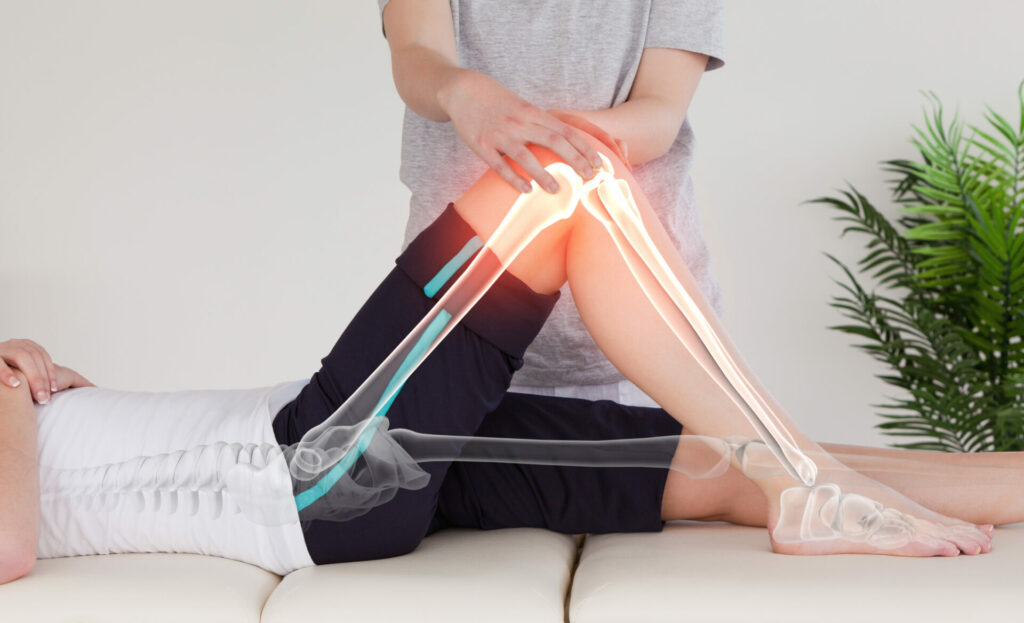
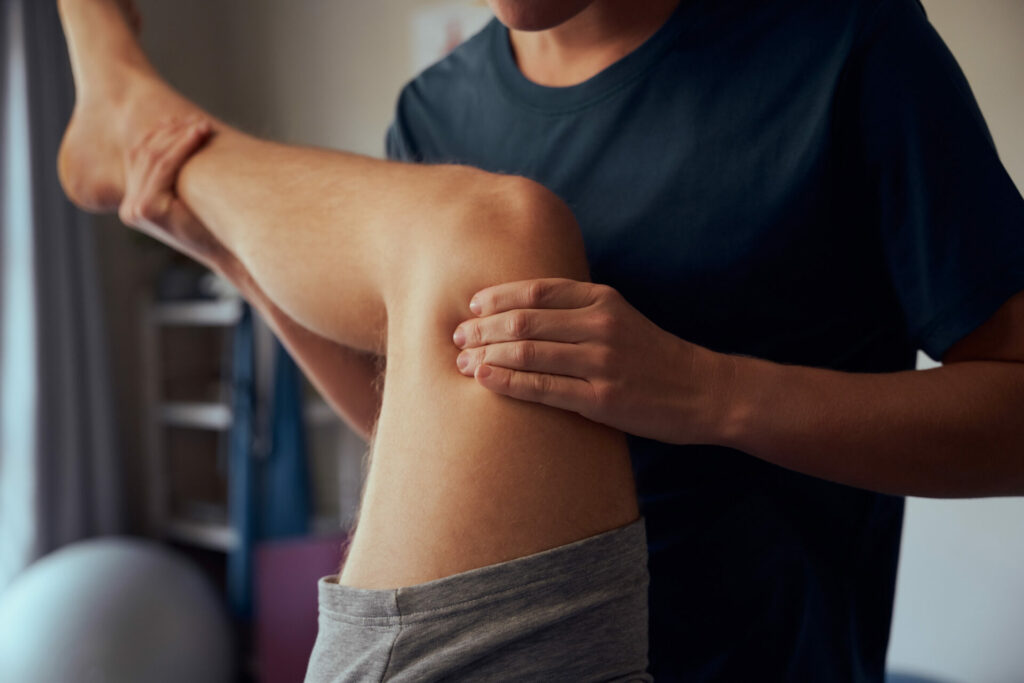
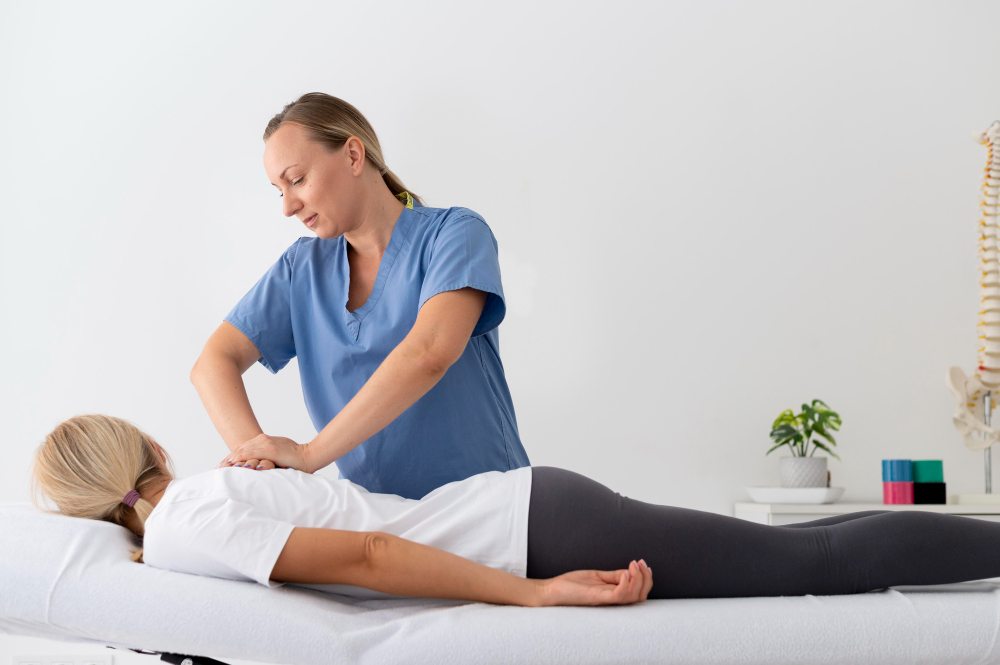
Your Amatsu practitioner will then literally look at you from the top of your head to the tips of your toes. They will use observation, muscle testing and palpation (touch) to gather information on the state of your body.

Do I need to take my clothes off?

The simple answer is – only if you feel comfortable.

Some people may feel uncomfortable about taking their clothes off whilst others have no problem with this. Please talk to your practitioner as they understand this issue and will listen to, and respect, your wishes. Your Amatsu practitioner is trained in massage and this can be a very important part of the treatment but, as we have said, Amatsu is a do with process, so your practitioner will advise you on the best course and style of treatment.

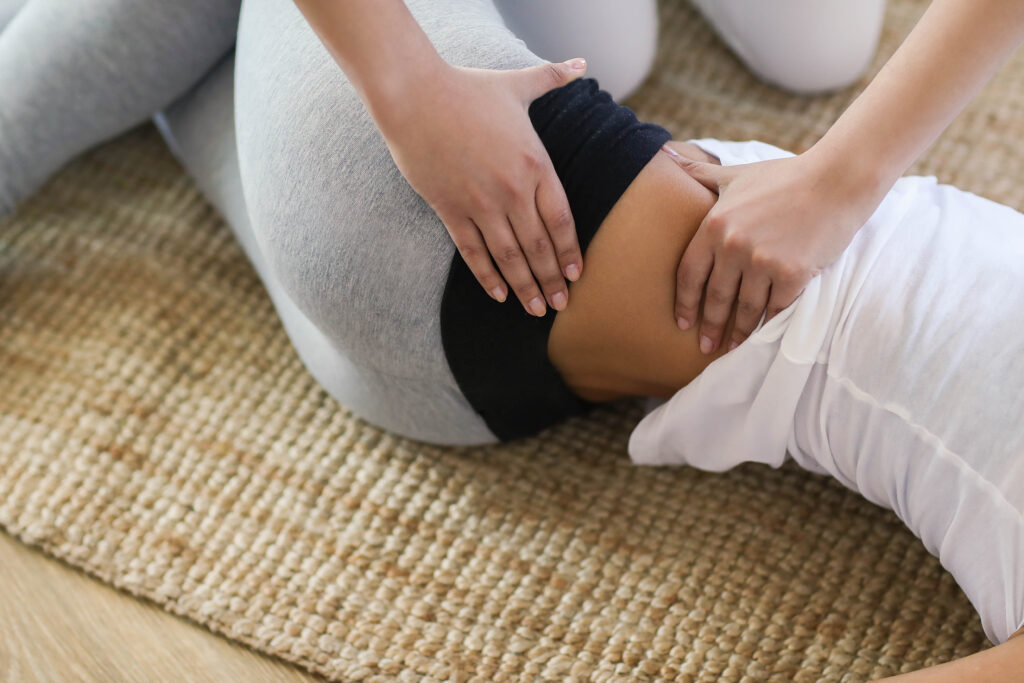
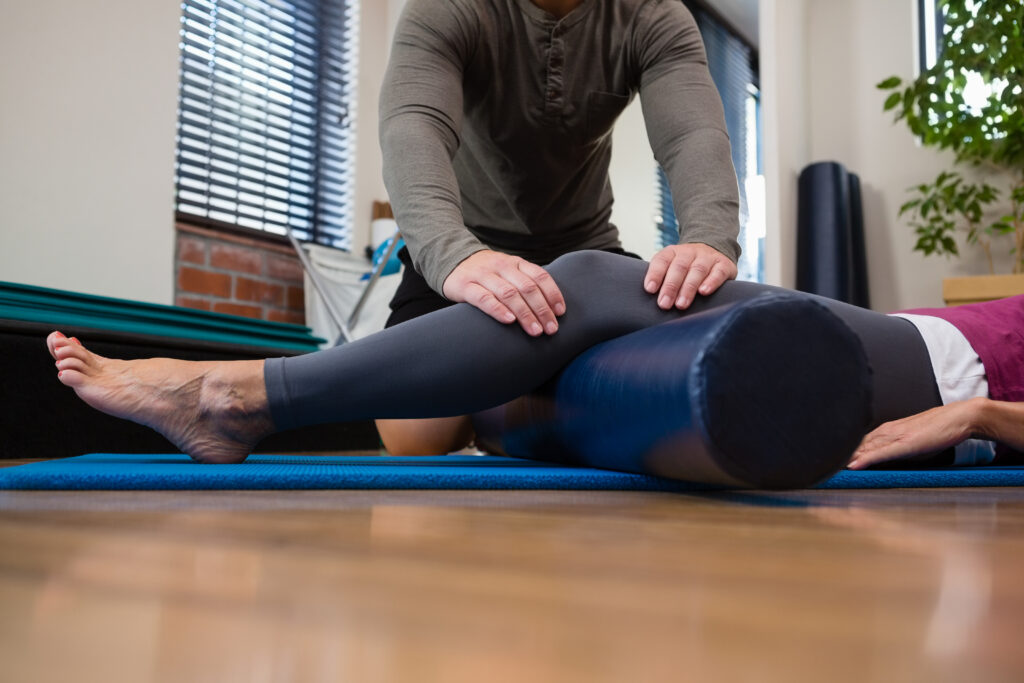
Amatsu Therapy can be carried out with the patient fully clothed

After appraising your needs the practitioner will start treatment using a combination of the following techniques:

  • Massage
  • Mobilisation
  • Re-patterning
  • Cranial balancing
  • Energy techniques

Amatsu can be both extremely gentle and more vigorous. A nice strong massage to loosen tight muscle can be both stimulating and relaxing; whilst cranial work is often so gentle many clients fall asleep. Your practitioner will discuss with you how the different techniques work and why they are doing what they are doing. Don't be afraid to ask questions. Remember it is your body.

The practitioner will then advise you on how to look after yourself between treatments and give recommendations on what to do and what not do to get the best out of the treatment.

What will I feel afterwards?

Many people feel very different as soon as they get off the couch, others start to feel the changes over a couple of days. It is not unusual to feel your body standing and moving differently between treatments. Some people may feel tired or have a boost of energy after the treatment, others comment that they had a change in the feelings they were experiencing. Please think of this as your body sorting out a new way of acting and reacting at that moment. Because it happens once after a treatment does not mean it will happen again. If a certain reaction keeps occurring after a treatment then we look at is as something that the body is presenting to you for attention in some way. This can be very useful information that may have been hidden beneath other masking symptoms.

Reporting changes back to your practitioner will be a major benefit in your treatment structure.

How frequently do I need to come?

This question is one of the most commonly asked and the answer depends on a number of factors. Each factor affects each person differently so every individual will need a different treatment structure. These are the common factors:

  • Is it an acute or chronic problem?
  • Is it an acute problem with an underlying chronic cause?
  • What is the general heath of the client?
  • What other outside factors such as job and lifestyle need to be considered?
  • Is there a specific time frame due to a forthcoming holiday or event?

What happens after the problem has gone?

We believe in educating our clients to take control of their own health. Many clients, once they have sorted out a problem, return to maintain their health. Some come for a balance on a regular basis whilst others return when they feel a need. We aim to teach you to listen to, and read the signs, your body sends you; it is well know that "prevention is better than cure".

A balance on regular basis will prevent the everyday stresses of life from building up.

How much does a balance cost?

Please contact your local Amatsu practitioner for full details of their pricing structure. A directory of fully qualified practitioners is available on this website.


Home | Amatsu| Philosophy | Consultation | Background | Training | Practitioners | Our Role | Contact Us

 
The ATA is
regulated by

Affiliated to The Institute for Complementary Medicine
Bookmark this website.